Edition I Istanbul, Türkiye 15 & 16 January 2027 Cadaver dissection course

All About The Neck All About The Neck, cadaver dissection course, Edition I

Two days. Ten surgeons. One region, taken apart plane by plane. A closed cadaver dissection course hosted by Op. Dr. Mehmet Cömert and Op. Dr. Soner Karaali.

Course opens inLimited to 10 surgeons
000Days
00Hrs
00Min
00Sec
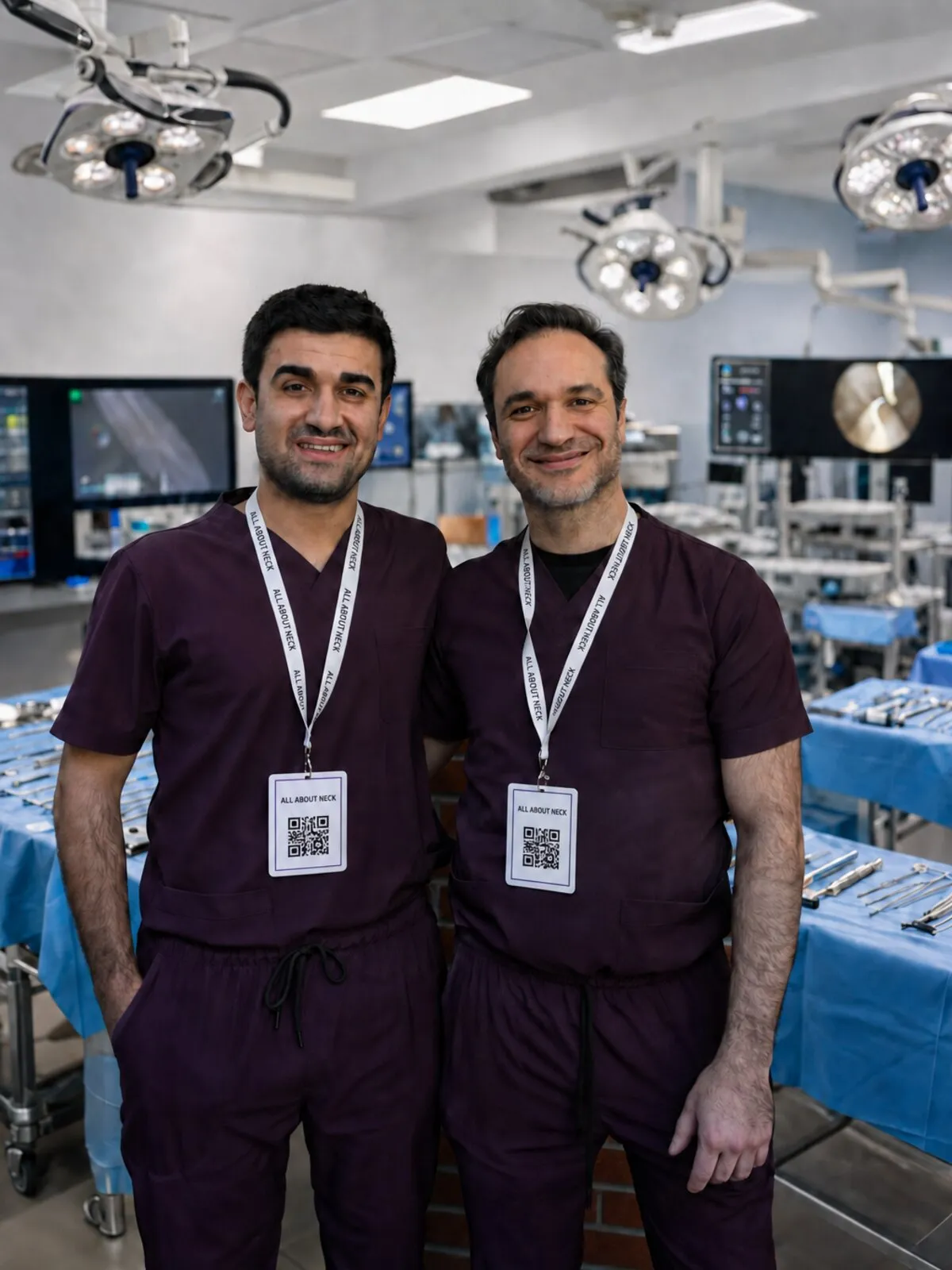
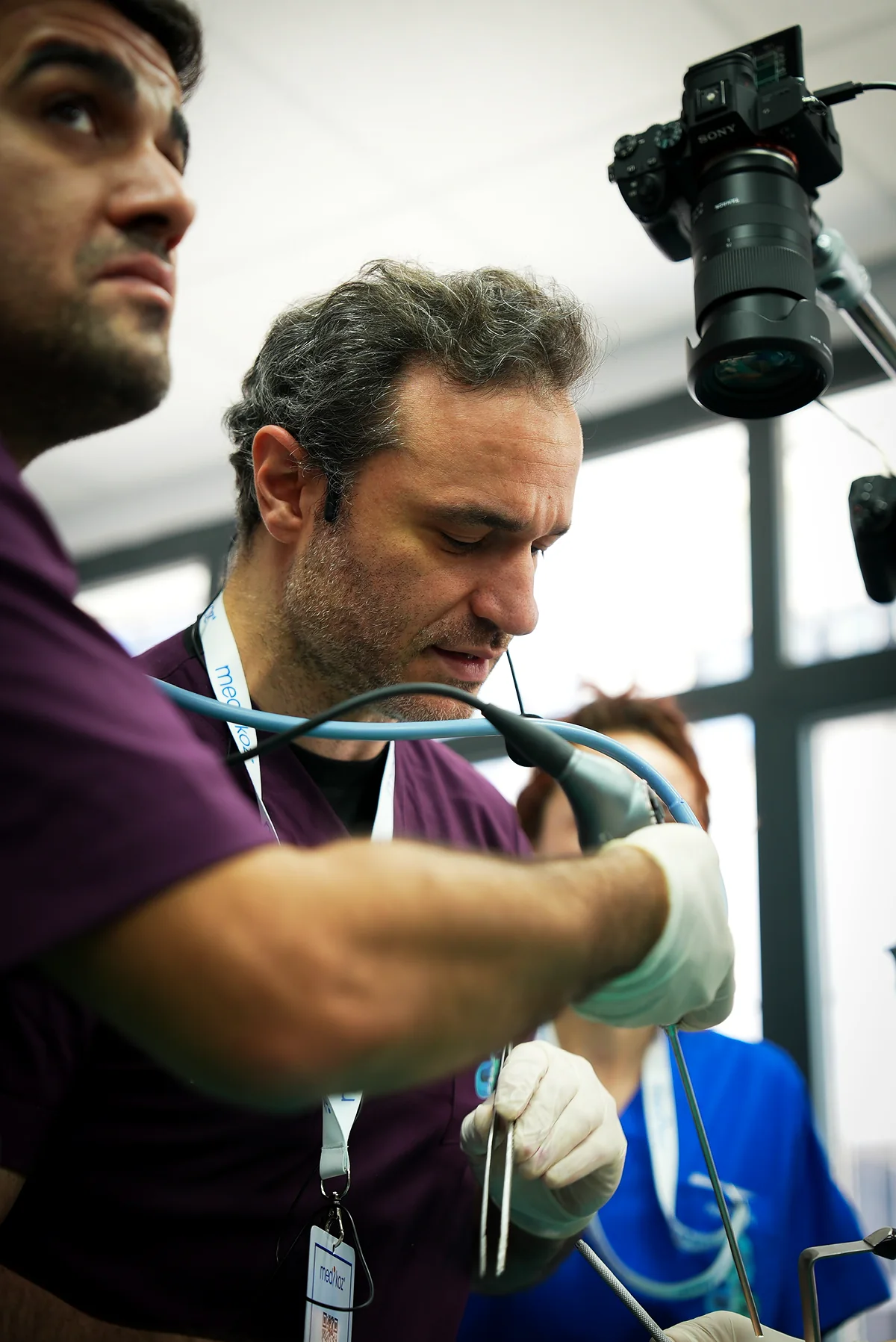
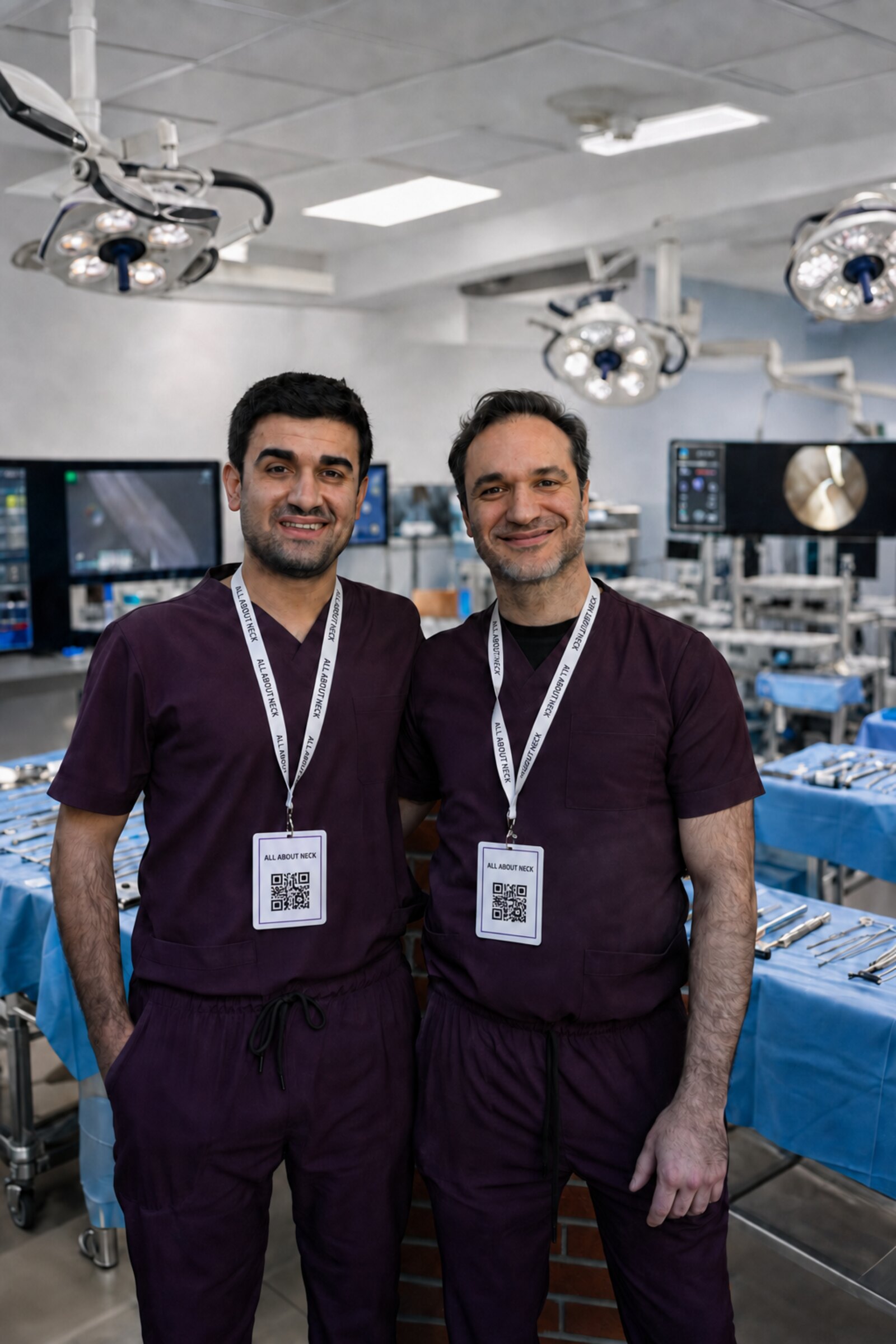
Op. Dr. Soner Karaali and Op. Dr. Mehmet Cömert in the dissection laboratory
Op. Dr. Soner Karaali and Op. Dr. Mehmet Cömert, dissection laboratoryPlate 00
The hosts

Two surgeons. One table.

Both hosts operate, both teach, and both stay at the station for the whole of the laboratory day. The course is closed at ten participants so that every question is answered where it is asked, with the tissue in front of you.

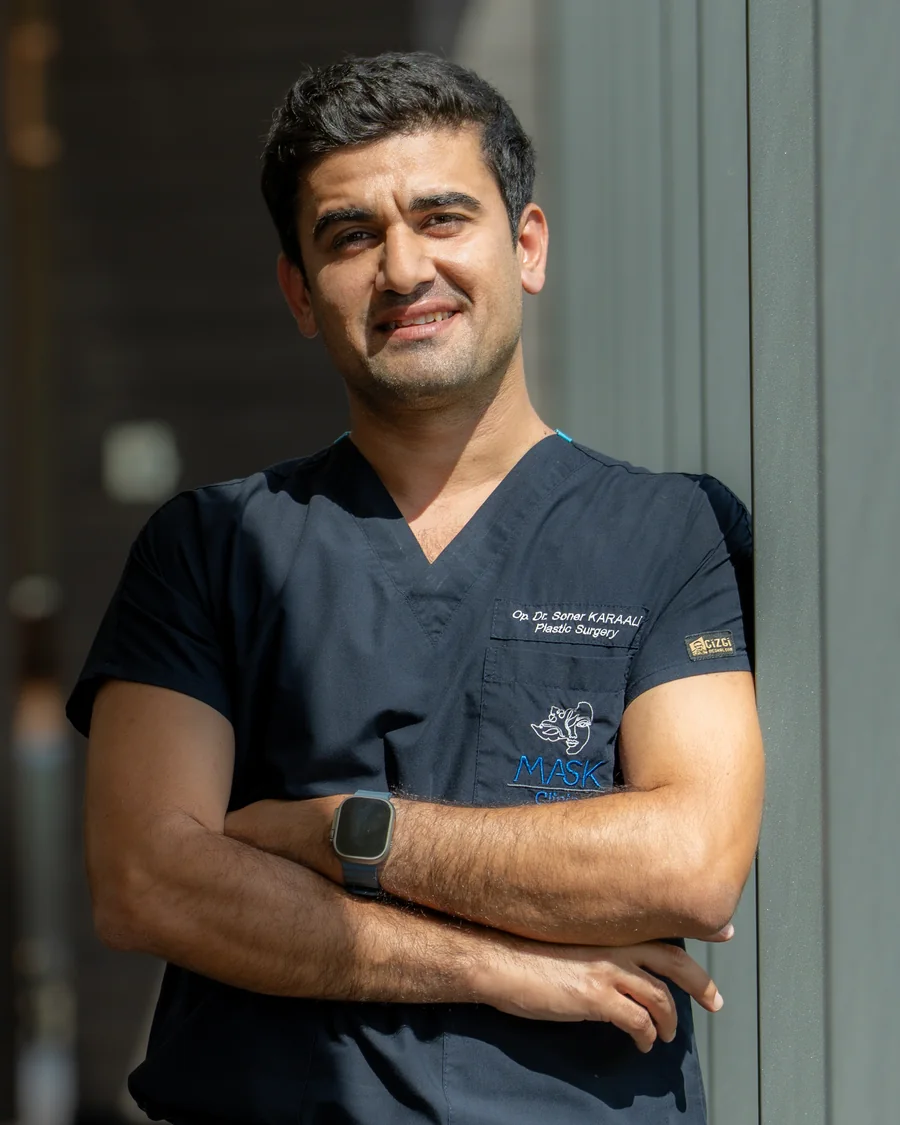
Op. Dr. Soner KaraaliPlastic, Reconstructive and Aesthetic Surgeon
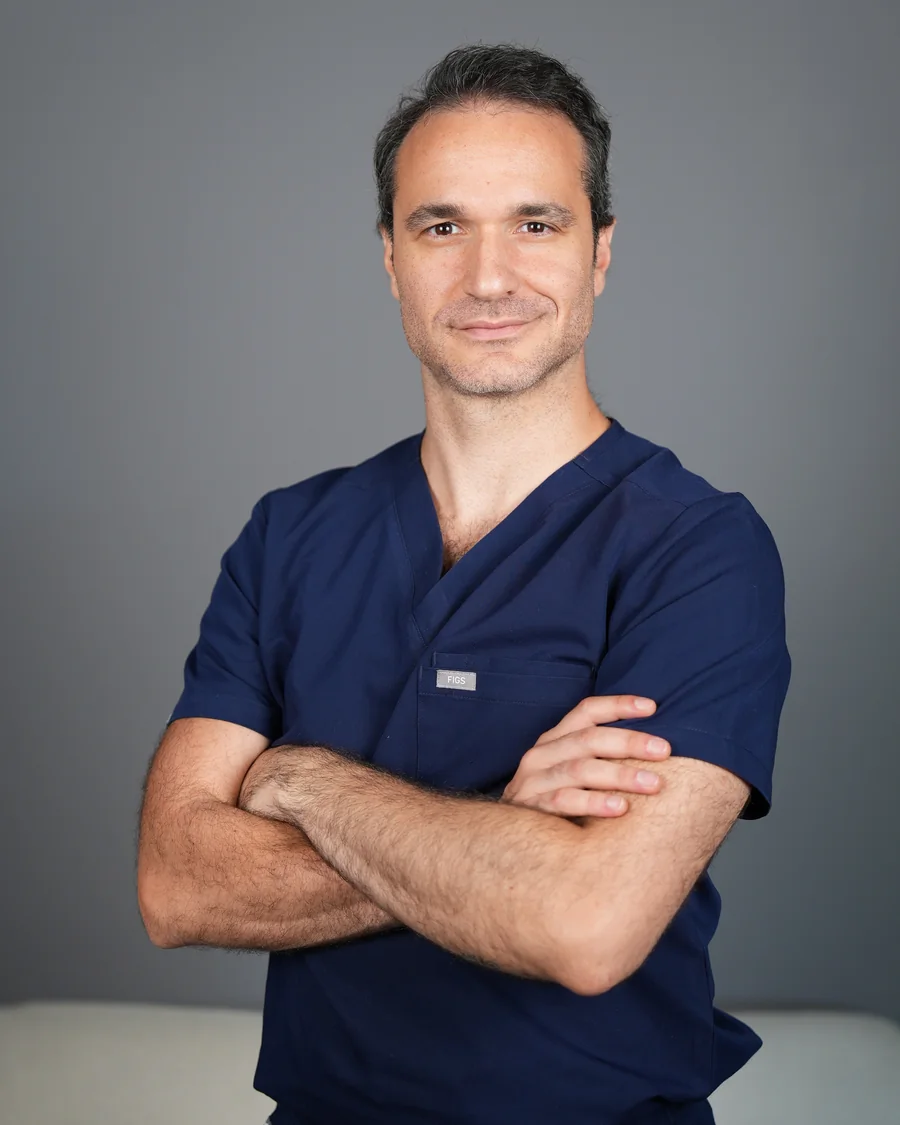
Op. Dr. Mehmet CömertPlastic, Reconstructive and Aesthetic Surgeon
01 The premise

Every facelift is judged by the neck.

All About The Neck is a closed, ten seat cadaver course built around a single region. Day one is a scientific course at Dr. Mehmet Cömert's clinic in Istanbul. Day two is a hands-on cadaver workshop at Acıbadem CASE, with faculty demonstrations followed by supervised, sequential dissection at every station.

01 / Ten seats

No back row.

Ten surgeons, and that is the whole course. Small enough that every question is answered where it is asked, at the station, with the tissue in front of you.

02 / Two hosts

Both of them dissect.

Op. Dr. Mehmet Cömert and Op. Dr. Soner Karaali host together and operate together. You see the same anatomy handled by two pairs of hands and two surgical philosophies.

03 / Anatomy first

Follow the tissue.

The course follows the order the neck is actually opened in. Each plane is entered, named and argued over before the next one is touched. Technique comes after anatomy, never before it.

Who it is for

Practising plastic surgeons.

Board certified or board eligible in plastic, reconstructive and aesthetic surgery. The room is built for surgeons who already operate on the face and neck.

What you should bring

Some facelift mileage.

You do not need to be a deep plane surgeon. You do need to have opened a neck before, so that the two days are spent on the difficult planes rather than on orientation.

What it is not

Not an anatomy primer.

This is not an introduction to head and neck anatomy, and it is not a lecture course with a demonstration at the end. Every participant dissects.

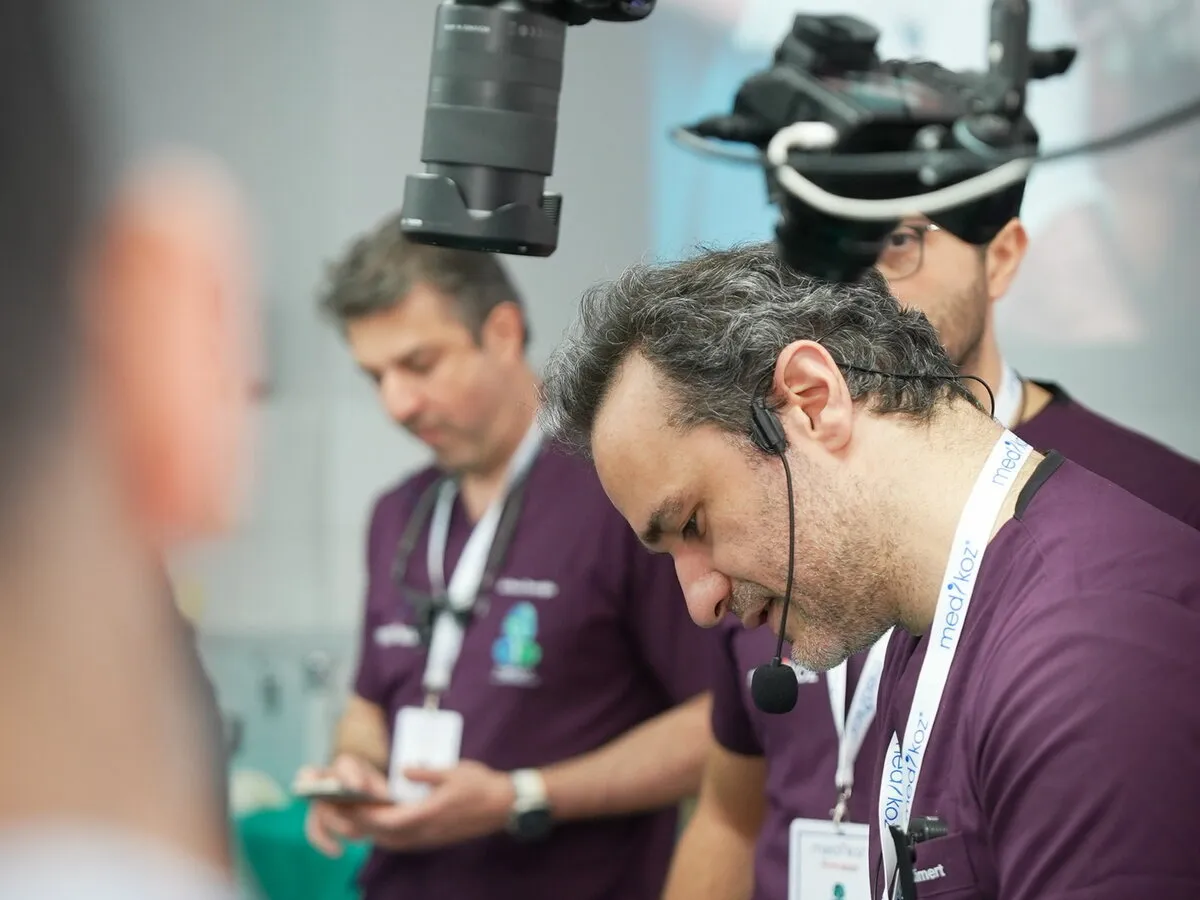
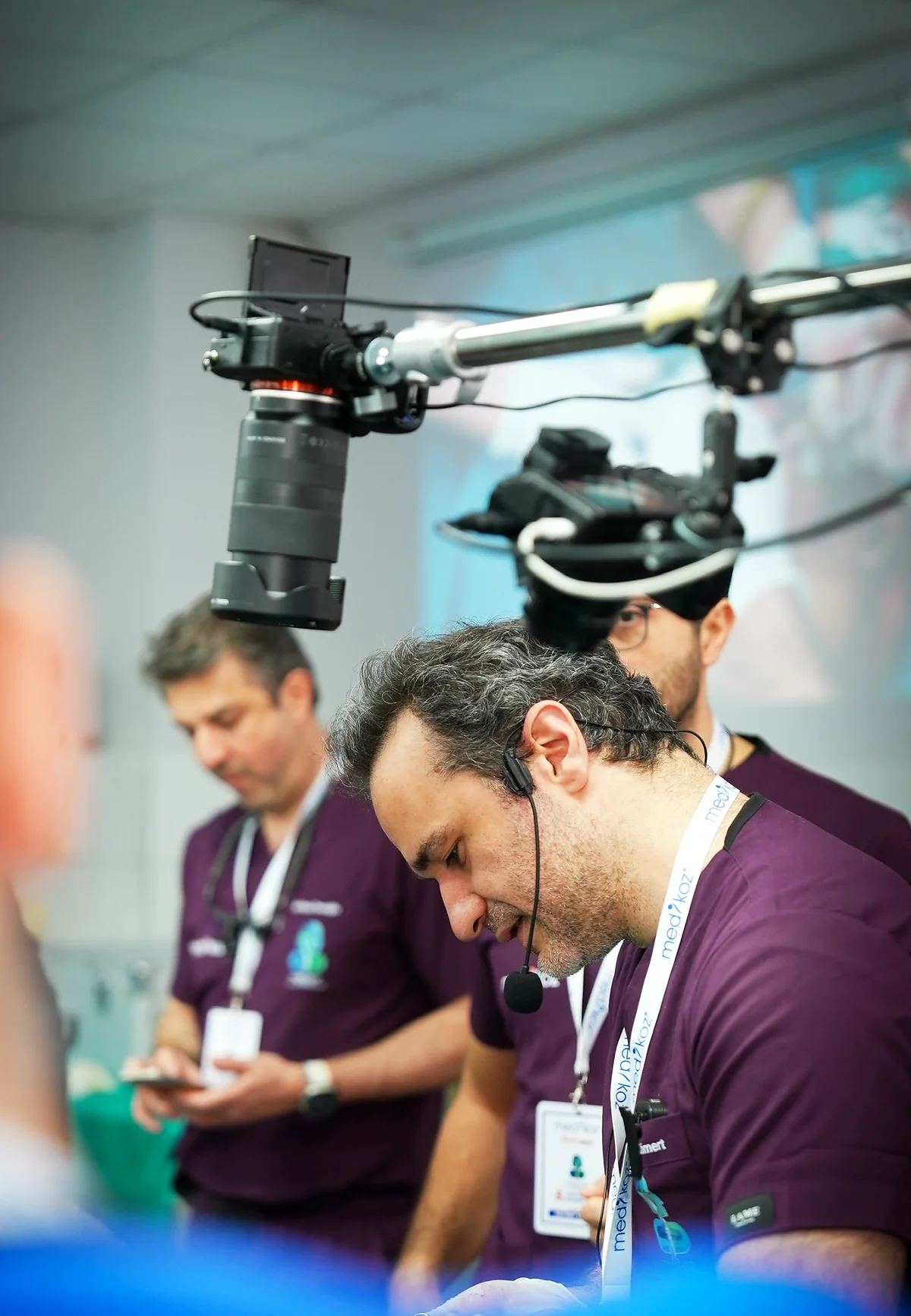
Op. Dr. Mehmet Cömert and Op. Dr. Soner Karaali teaching in the dissection laboratory under the camera relay
Both hosts, dissection laboratoryFig. 01
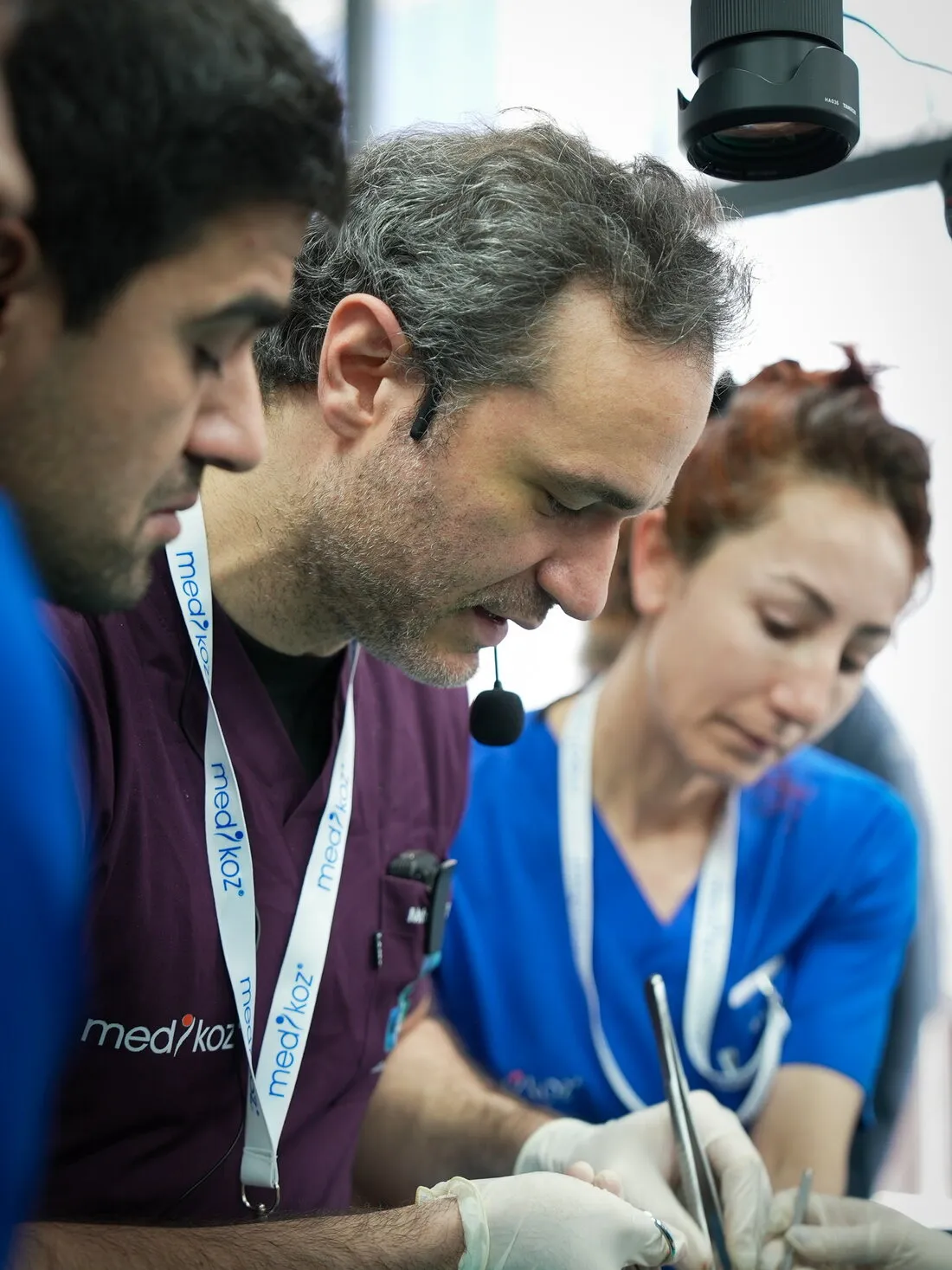
Op. Dr. Soner Karaali and Op. Dr. Mehmet Cömert dissecting together at the cadaver station
Four hands, one stationFig. 02
02 The dissection

Six modules. One sequence.

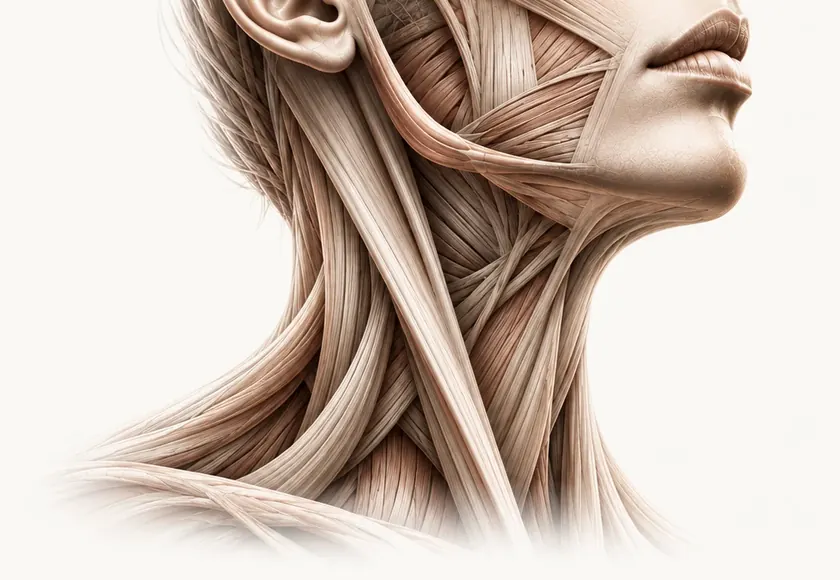
The workshop follows the order the neck is opened in: down from the surface to the submandibular region, then back out through platysma reconstruction and closure. Select a module to see what it covers.

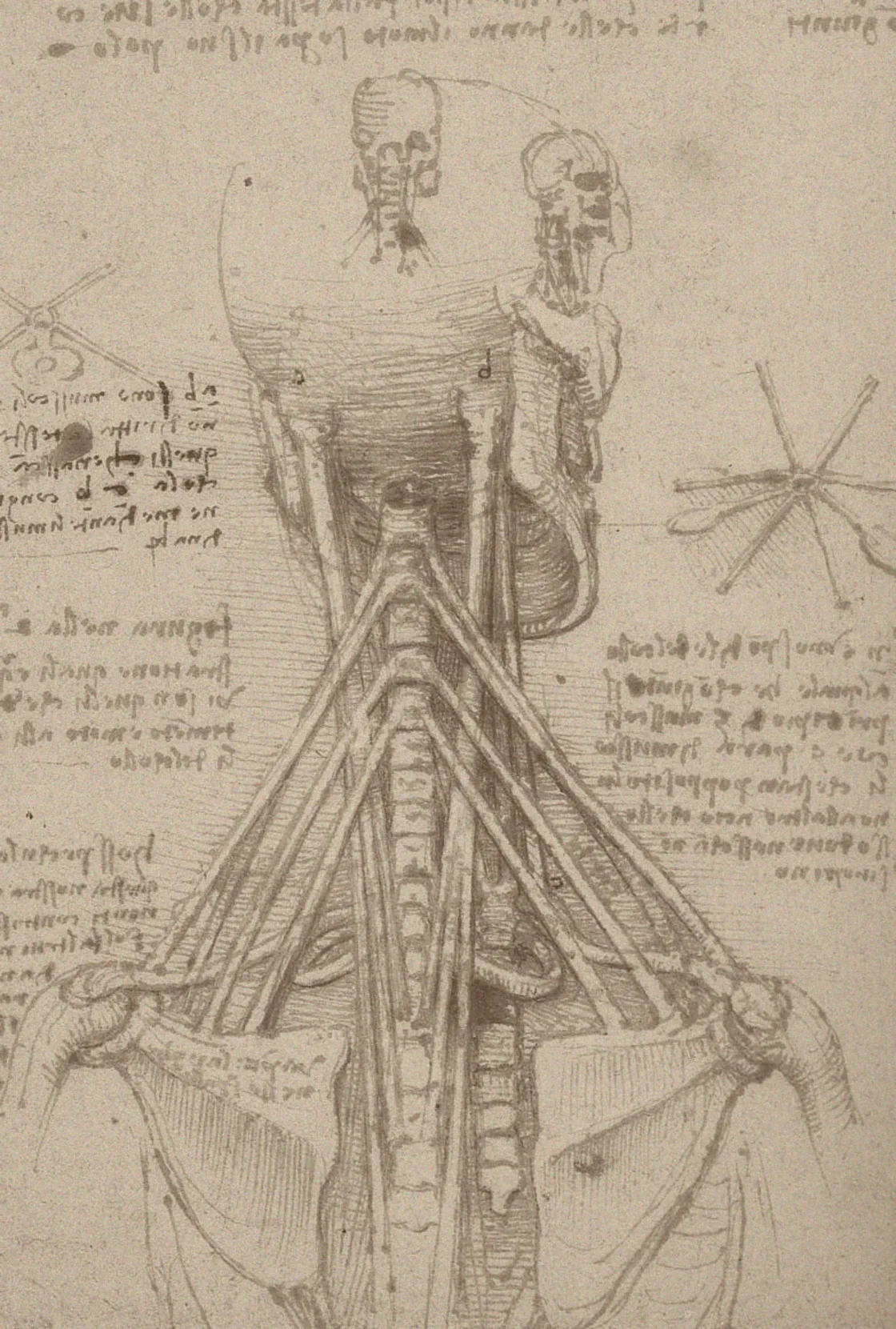
Plate 02 / Cervical strata Leonardo, c. 1515
Leonardo da Vinci, anatomical study of the neck, about 1515
Leonardo da Vinci, Anatomy of the Neck, c. 1515 Public domain
01

Surface, access and the superficial plane

Day 02 · 09:00 to 10:15

Mandibular border, chin, hyoid and cervical landmarks are marked first, relating surface contour to the structures underneath. Then submental exposure, skin-flap elevation and superficial fat assessment, identifying the medial platysmal borders and their anatomical variation while preserving a consistent soft-tissue envelope.

  • Preoperative marking
  • Submental access
  • Flap elevation
  • Medial platysmal borders
02

Entering the deep neck

Day 02 · 10:35 to 11:20

Identification of the subplatysmal plane and exposure of the deep fat, with its central and lateral boundaries. Selective reduction is performed under supervision, then the contour is reassessed with tissue preservation in mind.

  • Subplatysmal plane
  • Deep fat
  • Selective reduction
  • Contour reassessment
03

Digastric, mylohyoid and hyoid

Day 02 · 11:20 to 12:00

The anterior digastric bellies and intermediate tendons, their relationship with the mylohyoid, and anatomical asymmetry. Faculty demonstrate selected muscle-contouring and plication options.

  • Anterior digastric
  • Intermediate tendon
  • Mylohyoid
  • Plication
04

The submandibular region

Day 02 · 12:00 to 12:45 and 13:30 to 14:15

Gland capsule and vascular relationships, with a faculty prosection of the duct and the marginal mandibular, cervical, lingual and hypoglossal nerve relationships. After lunch, faculty demonstration and supervised practice: exposure, capsular-plane orientation and conservative partial reduction, identifying the vascular control points.

  • Danger zones
  • Nerve relationships
  • Capsular plane
  • Partial reduction
05

Platysma adaptation and the lateral neck

Day 02 · 14:15 to 16:15

Platysmal mobilization and redraping, medial approximation and plication, and a comparison of selected repair techniques, adapting the muscle layer to the new contour. Then lateral platysmal exposure, release boundaries and suspension vectors, integrating the anterior repair with the lateral neck and lower face.

  • Medial plication
  • Redraping
  • Lateral release
  • Suspension vectors
06

Contour, closure and the safety review

Day 02 · 16:15 to 17:30

Central and lateral contour reassessed for residual bulges or depressions, skin redraping, tension distribution and closure planning. Then a faculty-led review of structures at risk, simulated responses to gland-bed bleeding and an expanding neck hematoma, and a specimen review in which each group presents its choices.

  • Final contour
  • Skin redraping
  • Complication scenarios
  • Faculty debrief

Module times follow the Day 02 programme. Full timetable below.

03 Faculty

Two hosts. Both at the table.

Neither of them is here to introduce a speaker. Both operate, both teach, and both stay in the laboratory for the whole of day two.

FEBOPRAS European board certified FaceAcademy 360 Mayo Clinic, guest faculty FABCAST cadaver course faculty ISAPS member
Op. Dr. Soner Karaali Course host

Op. Dr. Soner Karaali

Plastic, Reconstructive and Aesthetic Surgeon · Istanbul
Training
Medicine and plastic surgery residency at Istanbul University Faculty of Medicine. European board certified, FEBOPRAS.
Focus
Private practice in Istanbul, devoted exclusively to facial rejuvenation, with particular depth in the deep plane facelift and deep neck sculpting.
Teaching
Speaker and instructor at national and international meetings and cadaver courses, including FABCAST, where he performs deep plane facelift and deep neck dissections as live hands on instruction.
FEBOPRASFABCASTDeep plane faceliftDeep neck sculpting
Op. Dr. Mehmet Cömert Course host

Op. Dr. Mehmet Cömert

Plastic, Reconstructive and Aesthetic Surgeon · Istanbul
Training
Plastic surgery at Marmara University, with international training across Germany, Japan, Brazil, Poland, Taiwan and the United States. Fellowships in microsurgery and supermicrosurgery, and deep plane training on Dr. Bryan Mendelson's course at the Mayo Clinic. European board certified, FEBOPRAS.
Focus
Full facial rejuvenation, orthognathic and facial implant surgery, complex revision work and facial paralysis reconstruction. His Istanbul clinic hosts day one of this course.
Teaching
Guest faculty at FaceAcademy 360, Mayo Clinic. Faculty at FABCAST cadaver courses and a regular speaker at national and international congresses, where he teaches facial rejuvenation and deep neck dissection. Co-author of a review of 83 patients on submandibular gland excision in deep plane neck lift, Plastic and Reconstructive Surgery, 2025.
FEBOPRASFaceAcademy 360FABCASTISAPSFacial rejuvenation
04 Programme

Two days. One region.

The scientific programme focuses on assessment, surgical decision-making, technique and outcomes. The cadaver workshop follows a practical sequence from anatomical exposure and deep neck contouring to platysma adaptation and final reconstruction.

Format
Lectures, operative videos, case-based discussions and faculty panels
Schedule
08:30 to 17:30
  1. 08:3009:00Registration and Welcome Coffee
  2. 09:0009:10Opening: What Makes a Well-Contoured Neck?Course objectives; defining a natural cervicomental contour; balancing definition, proportion and function.
  3. 09:1009:45Reading the Neck: Patient Analysis and Treatment SelectionStatic and dynamic examination; skin quality and laxity; superficial versus deep fullness; platysmal bands; gland prominence; selecting patients for superficial treatment, platysmaplasty or deep neck contouring.
  4. 09:4510:15Hyoid Position and Skeletal Support: Understanding the Potential and the LimitsAssessment of hyoid position, chin projection and mandibular support; low-hyoid and short-neck configurations; distinguishing soft-tissue excess from structural limitations; setting realistic goals.
  5. 10:1510:45Surgical Anatomy of the Neck: Layers, Landmarks and Danger ZonesSubcutaneous and subplatysmal planes; platysmal attachments; digastric and mylohyoid relationships; facial vessels; marginal mandibular and cervical facial nerve branches.
  6. 10:4511:05Coffee Break
  7. 11:0511:35Deep Fat Assessment and Contouring: What to Remove, What to PreserveIdentifying the contribution of subplatysmal fat; central and lateral contour assessment; selective reduction; maintaining smooth transitions and avoiding excessive hollowing.
  8. 11:3512:05The Digastric Complex: Prominence, Laxity and Contouring OptionsAssessing muscle bulk, asymmetry and laxity; indications for preservation, selective reduction or plication; integrating muscle management with the surrounding deep neck structures.
  9. 12:0512:30Choosing the Surgical Approach: Submental, Lateral or Combined?Isolated neck surgery versus combined face and neck lifting; access selection; sequencing deep contouring and lateral release; operative-video discussion.
  10. 12:3013:15Lunch Break
  11. 13:1514:05Approaching the Submandibular Gland: Assessment, Indications and TechniqueInterpreting gland prominence; preservation, support and reduction strategies; patient selection; anatomical exposure; conservative partial reduction; vascular control; salivary complications and postoperative surveillance.
  12. 14:0514:55Platysma Adaptation: Release, Redraping and ReconstructionAdapting the platysma to the newly contoured deep neck; midline repair, plication and selective division; lateral suspension; vector selection; balancing tension; understanding recurrent banding.
  13. 14:5515:15Coffee Break
  14. 15:1516:00Beyond the Deep Neck: Adjunctive Procedures for RefinementSkin redraping; selective superficial liposuction; fat grafting for contour transitions; chin augmentation and genioplasty indications; prejowl and mandibular-border refinement; skin-quality treatments, limitations and staging.
  15. 16:0016:35Complications: Prevention, Early Recognition and ManagementHematoma and airway compromise; seroma versus sialocele; lower-lip weakness; swallowing complaints; contour irregularities and overresection; monitoring and escalation pathways.
  16. 16:3517:10The Difficult and Revision Neck: What Would You Do?Heavy and short necks; low-hyoid configurations; prominent glands; recurrent bands; residual fullness; overresected necks; previous liposuction or energy-based treatment; case-based revision planning.
  17. 17:1017:30From Analysis to an Operative Plan: Interactive Faculty PanelParticipants assess selected cases, identify the dominant anatomical contributors and propose a tailored plan. Final discussion and take-home decision framework.
Featured discussion questions

These recur throughout the scientific day rather than becoming additional lectures.

  • Does this patient need deep neck surgery, or a different solution?
  • Is the fullness predominantly fat, muscle, gland or skeletal configuration?
  • After deep contouring, how should the platysma be adapted rather than simply tightened?
  • When does further refinement become overcorrection?

Applied Anatomy, Deep Neck Contouring and Platysma Reconstruction

Format
Faculty demonstrations followed by supervised, sequential participant dissection
Schedule
08:30 to 17:30
Specimens
Proposed format: fresh-frozen head-and-neck specimens, with participant numbers matched to specimen availability and faculty supervision
  1. 08:3009:00Laboratory Orientation and Surgical PlanningDonor acknowledgement; laboratory safety; instrumentation; specimen positioning; learning objectives; faculty demonstration of the planned dissection sequence.
  2. 09:0009:30Surface Anatomy and Preoperative MarkingMandibular border, chin, hyoid and cervical landmarks; submental and lateral access planning; relating surface contour to underlying structures.
  3. 09:3010:15Access and Superficial DissectionSubmental exposure; skin-flap elevation; superficial fat assessment; identification of medial platysmal borders and anatomical variation; preservation of a consistent soft-tissue envelope.
  4. 10:1510:35Coffee Break
  5. 10:3511:20Entering the Deep Neck: Subplatysmal Exposure and Fat ContouringIdentification of the subplatysmal plane; exposure of deep fat; central and lateral boundaries; supervised selective reduction; reassessment of contour and tissue preservation.
  6. 11:2012:00Digastric, Mylohyoid and Hyoid RelationshipsIdentification of the anterior digastric bellies and intermediate tendons; mylohyoid relationships; anatomical asymmetry; demonstration of selected muscle-contouring and plication options.
  7. 12:0012:45The Submandibular Region: Anatomical Mapping and Danger ZonesGland capsule and vascular relationships; faculty prosection of the duct and adjacent neural anatomy, including marginal mandibular, cervical, lingual and hypoglossal nerve relationships. Distinguishing anatomical demonstration from routine operative exposure.
  8. 12:4513:30Lunch Break
  9. 13:3014:15Submandibular Gland Approach and Partial ReductionFaculty demonstration followed by supervised practice; exposure and capsular-plane orientation; conservative contour reduction; identification of vascular control points; reassessment of the gland and digastric transition.
  10. 14:1515:15Platysma Adaptation and Anterior Neck ReconstructionPlatysmal mobilization and redraping; medial approximation and plication; comparison of selected repair techniques; adapting the muscle layer to the underlying contour; evaluating tension and symmetry.
  11. 15:1515:35Coffee Break
  12. 15:3516:15Lateral Neck Release and Integration with the Lower FaceLateral platysmal exposure; relevant attachments and release boundaries; suspension vectors; integration of anterior reconstruction with lateral neck and lower-face repositioning.
  13. 16:1516:45Final Contour Assessment, Skin Redraping and ClosureReassessment of central and lateral contour; identification of residual bulges or depressions; skin redraping; tension distribution; discussion of dead-space management and closure planning.
  14. 16:4517:15Danger-Zone Review and Complication ScenariosFaculty-led review of structures at risk; simulated responses to gland-bed bleeding and expanding neck hematoma; recognition of overresection and excessive platysmal tension; discussion of corrective options.
  15. 17:1517:30Specimen Review and Faculty DebriefEach group presents its dissection, explains its contouring and reconstruction choices, and completes a final anatomy-and-safety checklist.

Confirmed programme for Edition I, 15 and 16 January 2027.

05 The laboratory

Acıbadem CASE.

Day two is held at the Center of Advanced Simulation and Education at Acıbadem Mehmet Ali Aydınlar University in Istanbul.

Founded in 2013, CASE was the first large scale interdisciplinary medical simulation centre in Türkiye and remains one of the most comprehensive in the world. Alongside its simulation halls and wet laboratories it operates a dedicated dissection laboratory for cadaver based surgical training.

The centre is accredited by the Network of Accredited Clinical Skills Centres of Europe and by the Society for Simulation in Healthcare, and holds a Centre of Excellence certificate from the CAE Academy. More than forty thousand physicians from abroad have trained there.

2013Founded
40k+International physicians trained
NASCEand SSH accredited
10Seats on this course
Op. Dr. Soner Karaali and Op. Dr. Mehmet Cömert, hosts of All About The Neck
Op. Dr. Soner Karaali and Op. Dr. Mehmet CömertFig. 03
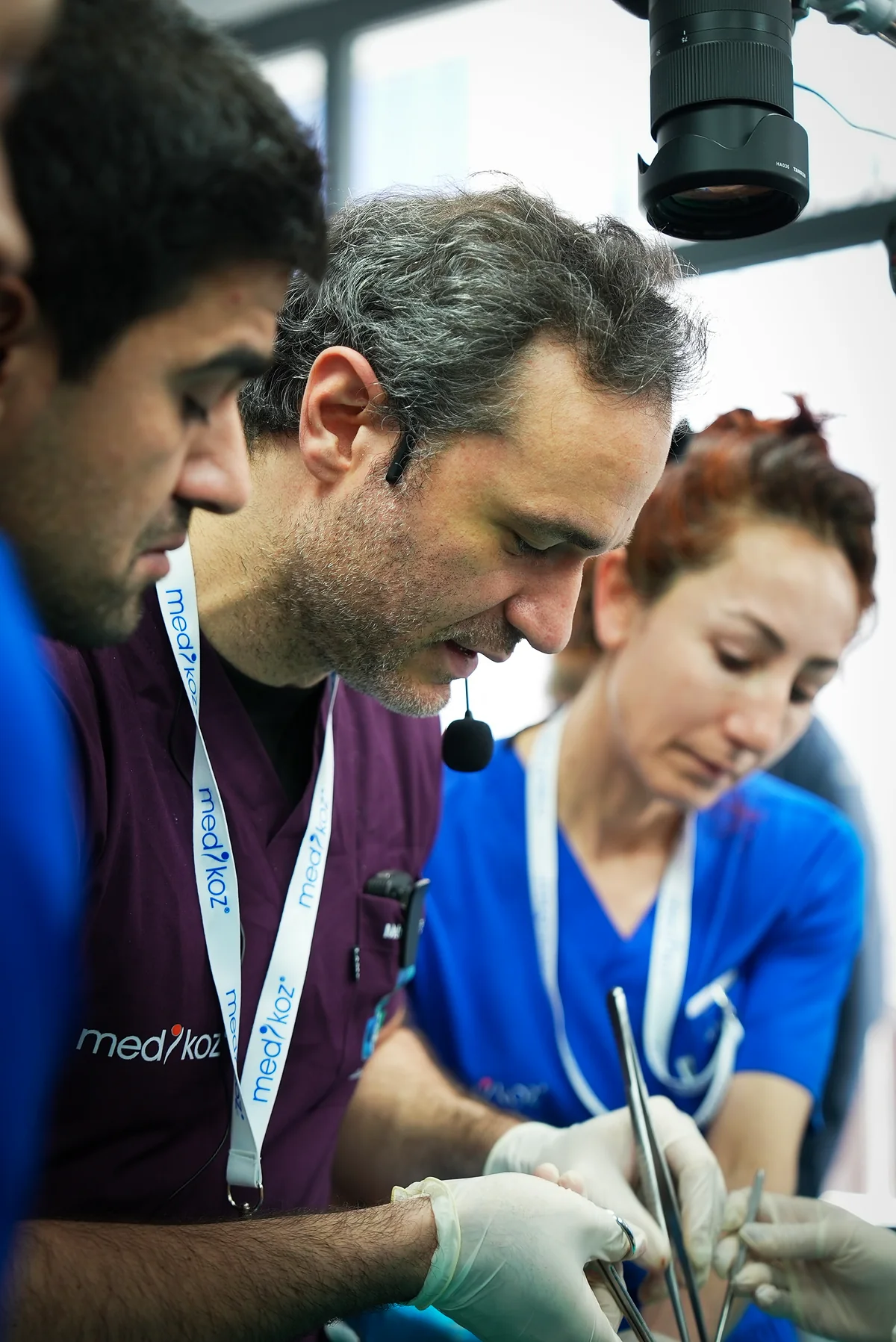
Both hosts and a surgical nurse dissecting at the cadaver station
Four hands, one station
Instruments in hand under the overhead camera relay
Under the camera relay
Op. Dr. Mehmet Cömert narrating a dissection through the headset microphone
Narrated, plane by plane
06 Certification

A certificate with your name on it.

Every participant receives an individually issued certificate of attendance, signed by both hosts and numbered to the edition. Certificates are prepared in advance from the name given on your application, so check the spelling.

Certificates are presented at the close of day two, in person, by Op. Dr. Mehmet Cömert and Op. Dr. Soner Karaali. A digital copy follows by email within one week.
CADAVER DISSECTION COURSE / EDITION I ISTANBUL, TÜRKİYE 15 & 16 JANUARY 2027 Certificate of Attendance THIS IS TO CERTIFY THAT Dr. Your Name has attended the two day cadaver dissection course All About The Neck, held in Istanbul on 15 and 16 January 2027 at the Dr. Mehmet Cömert Clinic and the Acıbadem CASE dissection laboratory. Op. Dr. Mehmet Cömert COURSE HOST Op. Dr. Soner Karaali COURSE HOST AATN / I / 2027 / 00
07 The series

Edition I of many.

All About The Neck is built to run. This is the first edition. The format, the faculty and the region will develop with each one, and surgeons who complete an edition are told first when the next opens.

Ed. I

Deep neck and cervicofacial rejuvenation

Istanbul · 15 & 16 January 2027 · 10 seats Applications open
Ed. II

Programme in preparation

Istanbul · 2027 Announced soon
Ed. III

Programme in preparation

Venue and dates to follow Register interest
08 Application

Ten seats. Apply for one.

Applications are reviewed personally by both hosts. There is no automatic acceptance: seats are matched to the group, and you will hear back by email either way.

What the fee covers
  • Cadaver laboratory access for the full dissection day at Acıbadem CASE
  • Instruments and consumables at your station
  • The scientific course day at Op. Dr. Mehmet Cömert's clinic
  • Full length surgical video of the course, sent to you afterwards
  • Lunch and coffee on both days
  • Welcome dinner with both hosts and the group
  • Personalised certificate of attendance
  • Hotel accommodation in Istanbul during the course
  • Airport transfers in Istanbul
Course fee

Contact for pricing.

Write to us and we will send you the fee for Edition I, together with what it covers. The fee is always confirmed in writing before you commit to anything, so applying places you under no obligation.

Hotel accommodation and airport transfers in Istanbul are included; flights are booked by each participant. Accepted surgeons receive a short travel and accommodation form so we can arrange the hotel and transfers around your flights.

Ask about the fee →
Click to upload or drag and drop
CV, and board certificate if you have it · PDF, JPG or PNG
Travel, accommodation and dietary details are collected later, only if you are accepted.
09 Questions

Before you apply.

The questions surgeons ask us most. Anything else, write to contact@allabouttheneck.com.

Who is the course for?

Board certified or board eligible plastic, reconstructive and aesthetic surgeons who already operate on the face and neck. You do not need to be a deep plane surgeon, but you should have opened a neck before, so that the two days are spent on the difficult planes rather than on orientation.

How many surgeons take part?

The course is limited to 10 surgeons, so every participant works at the table with both hosts.

Where does the course take place?

Day one, the scientific course, is held at Dr. Mehmet Cömert Clinic in Levent, Istanbul. Day two, the hands-on cadaver dissection workshop, is held at Acıbadem CASE, the Center of Advanced Simulation and Education in Ataşehir, Istanbul.

What does the course cost?

Contact us for pricing. The fee is always confirmed in writing before you commit to anything, and applying costs nothing and places you under no obligation.

What does the fee cover?

Cadaver laboratory access for the full dissection day, instruments and consumables at your station, the scientific course day at the clinic, a full length surgical video of the course sent afterwards, lunch and coffee on both days, the welcome dinner and a personalised certificate of attendance signed by both hosts.

What specimens are used?

The proposed format is fresh-frozen head-and-neck specimens, with participant numbers matched to specimen availability and faculty supervision.

How do I apply?

Complete the short application form with your practice details, Instagram profile and CV. Applications are reviewed personally by both hosts, seats are matched to the group, and you will hear back by email either way.

Are flights and accommodation included?

Accommodation and airport transfers in Istanbul are included in the course fee. Flights are not included and are booked by each participant. Accepted surgeons receive a short travel and accommodation form so we can arrange the hotel and transfers around their flights.

Will there be further editions?

Yes. Edition I is the first of a series. Edition II is planned for Istanbul in 2027, and surgeons who complete an edition are told first when the next one opens.